Living with IBD often means navigating food choices that can feel confusing or unpredictable. Even with experience, it is easy to fall into habits that make symptoms harder to manage. The goal is not perfection. The goal is awareness and small adjustments that support your body over time.
Here are some of the most common diet mistakes people with IBD make and simple ways to avoid them.
1. Introducing too many new foods at once
When you try several new foods in the same week, it becomes almost impossible to tell what your body reacted to. Even mild foods can cause issues if introduced too quickly.
How to avoid it
- Try only one new food at a time
- Test small portions first
- Give your body a day or two to respond
A slow approach makes patterns easier to see and reduces stress around eating.
2. Eating too much fiber during sensitive periods
Fiber is important, but not always tolerable during flare ups or days when your gut feels unsettled. Raw vegetables, skins, nuts and whole grains can be harder to digest.
How to avoid it
- Choose soft, low fiber options when you feel sensitive
- Cook or peel vegetables
- Add fiber back slowly on stable days
This is not about avoiding fiber forever. It is about choosing the right amount at the right time.
3. Copying someone else’s diet
What helps one person with IBD might trigger another. It is natural to look for success stories, but strict copying often leads to frustration.
How to avoid it
- Treat every tip as a starting point, not a rule
- Adjust based on your own reactions
- Keep notes on what works for you
Your goal is not another person’s perfect diet. Your goal is your own stability.
4. Mixing too many ingredients in one meal
Complex meals make it harder to identify what caused discomfort. Even if each ingredient is safe on its own, the combination might not work for you.
How to avoid it
- Keep meals simple, especially on sensitive days
- Combine just a few ingredients
- Add complexity only when you feel stable
Simplicity does not mean boring. It means clarity.
5. Skipping meals or eating too long between meals
Long gaps between meals can increase gut sensitivity, trigger urgency or make the next meal harder to digest.
How to avoid it
- Aim for steady, predictable meals
- Eat smaller portions more frequently if needed
- Keep easy foods available for days with low energy
Routine helps your gut stay calmer.
6. Ignoring how food is prepared
How you cook food matters as much as what you eat. Raw, fried or heavily spiced options are often harder to tolerate, even if the main ingredient is usually safe.
How to avoid it
- Choose gentle cooking methods
- Boil, steam or bake when unsure
- Avoid frying during sensitive periods
Preparation can completely change how your body responds.
7. Adding new foods during a flare
A flare is not the right time to experiment. Your gut is already under stress, and new ingredients can easily trigger symptoms.
How to avoid it
- Stick to familiar foods
- Save testing for stable days
- Keep your flare meals as simple and predictable as possible
Flares require care, not exploration.
How IBDComfort can help you avoid these mistakes
It is easy to make these mistakes when you are tired or overwhelmed. This is where structure helps.
IBDComfort allows you to:
- Choose your disease type
- Set your current status
- Exclude foods you want to avoid
- Receive meals that stay within safe and simple ingredients
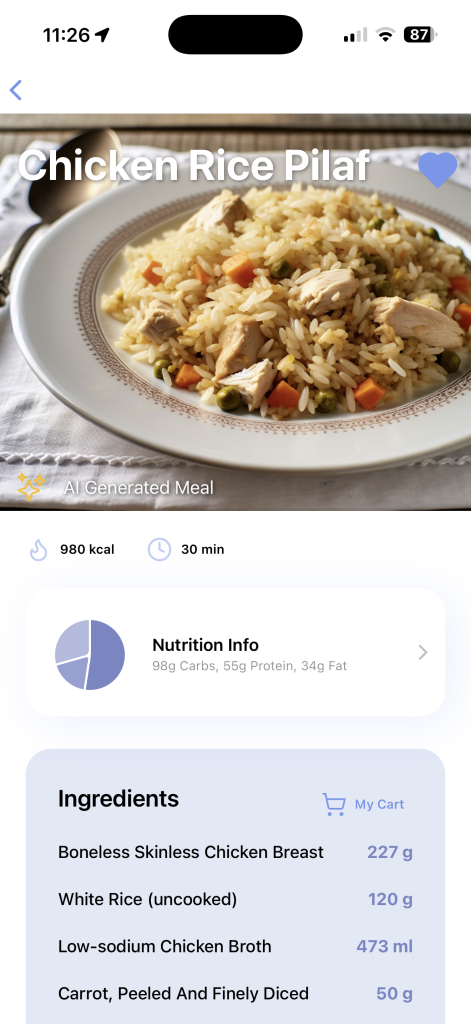
The app does not diagnose or treat. It simply reduces the stress of figuring out what to eat on days when you need clarity the most.
In summary
Diet mistakes happen, especially when you are tired, stressed or trying to follow someone else’s advice. The good news is that small adjustments can make eating less confusing and more predictable.
Pay attention to your own reactions. Keep meals simple when needed. Introduce foods slowly. And give your body space to show you what works.
Eating with IBD is a learning process. You do not have to get it perfect, only manageable.